Read safely
Open education
Sound Healing Guides: Learn While Listening
Press play, keep the tone in motion, then read the context around sound, frequency and personal practice without medical promises.
Ready to play Natural Harmony 432 Hz
Enjoy a few moments with the sound itself.
Pure 432 Hz tone
Open in Studio
Start here
What is sound healing?
The open guide: traditions, brainwaves, uses, research limits, and safe practice.Keep listening
Notice, then choose
Use the tone as a calm background while you compare context and sources.Headphones for binaural. Keep the volume low and stop if anything feels uncomfortable; take care if you have tinnitus or sensitive hearing. Never while driving. Harmonance is not a medical device.
Browse by theme
Each theme opens its own listening page with only the tones tagged to it.
Listening practice
Planetary frequencies: how orbits become tones
Planetary frequencies explained: how orbits become audible tones through the cosmic octave, why people listen to them, and where the evidence stops.
Research review
Alpha Waves: What They Are and How to Listen
Alpha waves, the rhythm of calm, eyes-closed rest: what the term means, how binaural beats relate to it, and what the studies actually show.
Listening practice
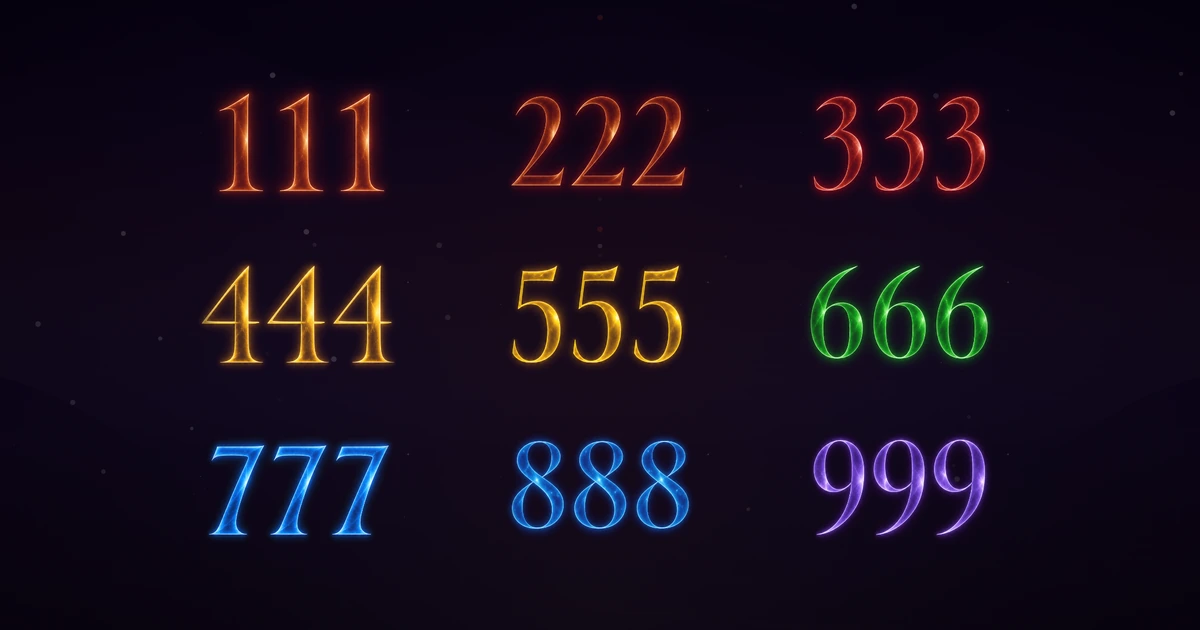
Angel frequency: what the numbers mean
Angel frequency explained: how angel numbers like 111, 444 and 888 became listening tones, what they mean in numerology, and what evidence can say.
Research review
Sound bath: what to expect and how to listen safely
What happens at a sound bath, the instruments you will hear, how to listen safely, and what research says. A plain guide for your first session.
Research review
Lambda waves: what the term means
In EEG, lambda waves are sharp visual responses as the eyes scan a scene. Meditation culture borrows the name for a state that research has not shown.

Research review
Gamma waves: attention, sound and the research
Gamma waves, the fast brain rhythm above 30 Hz: what the term means, how 40 Hz sound is studied, and what the research can and cannot show.
Research review
Solfeggio frequencies: meanings and evidence
The nine Solfeggio frequencies from 174 to 963 Hz: the meaning each one carries, where the modern set comes from, and what the evidence shows.

Research review
Delta Waves: Slow Rhythms, Sleep and Listening
Delta waves are the slowest brain rhythm, strongest in deep sleep. What the term means, how delta audio is used at night, and what studies show.

Research review
432 Hz benefits, chakras and the evidence
432 Hz benefits and chakra claims weighed: the tuning history, the chakra framework, and what studies of 432 Hz music have and have not found.
Research review
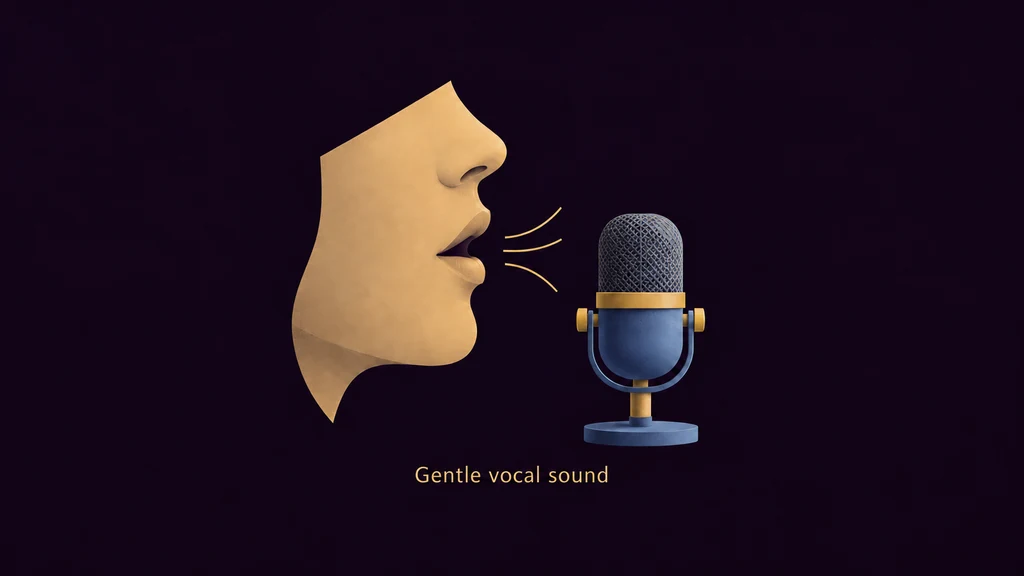
Using The Human Voice In Sound Healing
Explore humming, toning, chanting, and voice-led listening as simple practices for reflection, resonance, and attention.
Research review
Do binaural beats work? What the studies found
Do binaural beats work? Reviews find small, mixed effects on attention. How two tones make a third in your head, how to listen, and where the studies stop.

Listening practice
Sacred sound: chant, bells, bowls and the stone chambers that ring
Sacred sound across traditions: chant, mantra, bells and singing bowls, why sound suits spiritual practice, and how to take part with respect.

Research review
Chakra frequencies: seven centres, seven tones
Chakra frequencies for all seven centres, where the chakra map comes from, how to listen through them slowly, and what the evidence says.

Research review
The History And Evolution Of Sound Healing
Trace sound and frequency traditions across cultures while separating history, belief, and modern research claims.

Research review
Does sound healing work? What the science shows
Does sound healing work? What acoustics describes, what studies of music and relaxation found, and what no study has shown about exact tones.

Research review
Theta Waves: Meaning, Meditation and Evidence
Theta waves, the 4 to 8 Hz rhythm of drowsy and meditative states: what the term means, how theta audio is used, and why experiences vary.

Research review
Isochronic tones vs binaural beats
Isochronic tones vs binaural beats: how each is made, which one needs headphones, how to choose between them, and what the evidence says.

Research review
Epsilon Waves: The Slowest Claimed Brain Rhythm
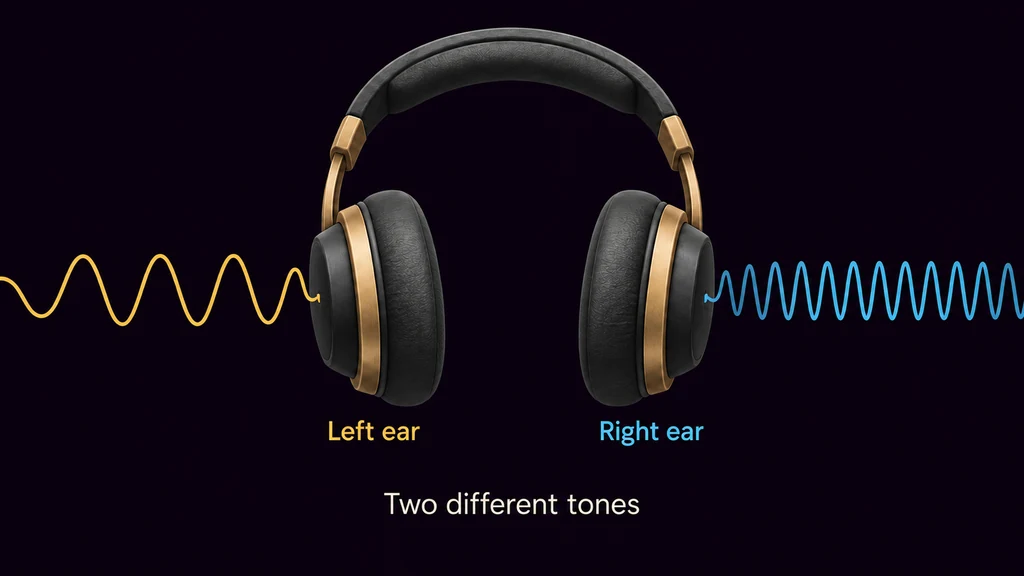
Epsilon waves, said to sit below 0.5 Hz: what the term means in meditation and binaural audio, and why it is not an established EEG band.
Research review
Introducing Harmonance Studio: A Free Frequency Instrument
Harmonance Studio is the free interactive instrument for longer frequency sessions, layered ambience, timers, and saved mixes. Website previews stay open for quick listening.
Research review
Astrology And Frequencies: Zodiac Sound Associations
Explore zodiac signs, ruling planets, and frequency associations as reflective prompts rather than health or destiny claims.
Research review
Brain waves: the EEG bands from delta to gamma
Brain waves from delta to gamma: the EEG band names and ranges, how a binaural beat differs from the pitch you hear, and the limits of the evidence.

Listening practice
Cymatics: how sound makes patterns
Cymatics shows sound as pattern: how a vibrating plate arranges sand, a simple experiment to try, and how the site's animation differs from physics.
Research review
The golden ratio in music: examples and evidence
Where the golden ratio in music really appears: composers who used it on purpose, disputed claims about Bartók and Debussy, and a 1.618 Hz beat to hear.

Research review
The Om frequency: why 136.1 Hz is called Om
The Om frequency, 136.1 Hz, is the Earth's year raised 32 octaves into hearing. What 547 Indian concert recordings show about who really tunes to it.

Research review
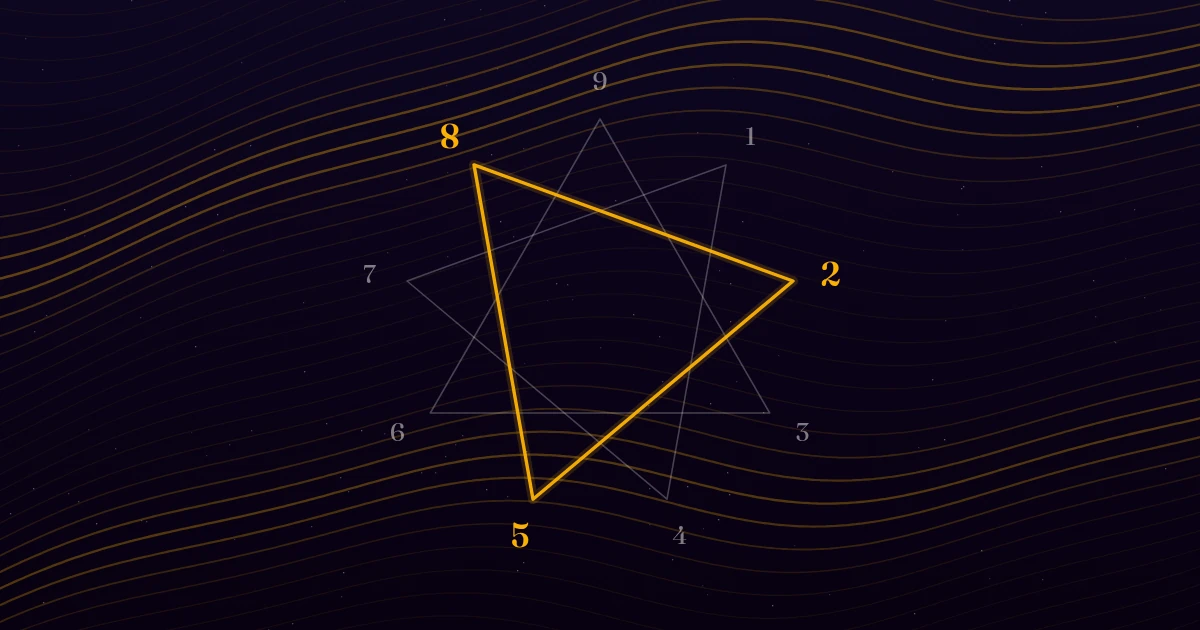
174 Hz, 417 Hz and 741 Hz played together
174 Hz 417 Hz 741 Hz played together: why the three Solfeggio tones sit smoothly in the ear, where the numbers come from and what has been studied.
Research review
528 Hz benefits: what the studies show
528 Hz benefits, checked against the research: what five small studies in people measured, where the claims began, and what no study has shown.
Research review
888 Hz meaning: the angel number, its history and its sound
888 Hz meaning comes from the number: angel books read eight as plenty, Chinese tradition counts it lucky, and in Greek the name Jesus adds up to 888.
Research review
111 Hz benefits and the ancient chamber story
111 Hz benefits, checked: the angel number behind the tone, the stone chambers that ring near 110 Hz, and what a pilot found when 30 adults listened.
Listening practice
222 Hz benefits, meaning and the speaking voice
222 Hz benefits, checked: what the angel number means, why the tone is the octave of 111 Hz, and the study where women's median pitch was 222 Hz.
Listening practice
333 Hz frequency meaning and how it sounds
333 Hz frequency meaning: the angel number behind the tone, the note it falls on just above E4, and what two hearing studies that used 333 Hz found.

Listening practice
444 Hz meaning: the angel number and the tuning
444 Hz meaning, checked: the angel number behind the tone, why an A of 444 Hz puts the C on 528 Hz, and the one small study that tuned music that way.

Listening practice
555 Hz benefits and the note behind the number
555 Hz benefits, checked: the angel number for change, the C sharp it lands on, and what the 555 Hz page plays, measured with and without strings.
Listening practice
666 Hz benefits: meaning, sound and evidence
666 Hz benefits, checked: why the angel tone sits a fifth above 444 Hz, what its page plays, and what 37 adults said of the tones either side of it.
Listening practice
777 Hz benefits and the harmonic seventh
777 Hz benefits, checked: the angel number's meaning, why the tone falls between a piano's keys, and what 37 adults said of the tones either side of it.

Listening practice
999 Hz frequency meaning: completion, in sound
999 Hz frequency meaning, checked: nine as completion in numerology, the B it lands on, and its place 1 Hz below the tone loudness is measured by.

Research review
10 Hz: the alpha frequency and how to hear it
10 Hz is ten cycles a second: too slow to hear as a tone, yet the pace of the brain's alpha rhythm. How a 10 Hz binaural beat works and what studies show.

Research review
2 Hz frequency: sound, sleep and the brain
2 Hz is two cycles a second: too slow to hear as a tone, yet the top of deep sleep's slow waves. How a 2 Hz binaural beat works and what studies show.

Research review
20 Hz: the edge of hearing and the beta beat
20 Hz is twenty cycles a second: the edge of pitch for a tone, and a beta binaural beat made from 108 and 128 Hz. What it holds and what studies show.

Research review
4 Hz binaural beats benefits: what studies show
4 Hz binaural beats benefits, checked: what studies of beats near 4 Hz found, how the beat sounds, and why 4 Hz is the pace of speech.

Research review
6 Hz Frequency: Theta Beat, Sound and Evidence
6 Hz is a theta rhythm and a binaural beat made from 108 and 114 Hz. Why you cannot hear 6 Hz itself, and what studies of 6 Hz beats found.

Research review
Beta waves: what they are and what they do
Beta waves are the brain's 13 to 30 Hz rhythm. In 106 people's EEG they fell as a hand moved and rose above rest once it stopped. What studies show.

Research review
Binaural beats for concentration: the evidence
Binaural beats for concentration: of 19 studies of attention, 8 found a difference, 5 were mixed and 6 found none. The chart, and how to try them.

Listening practice
Crown chakra frequency: why the sources disagree
Crown chakra frequency: 963 Hz on the Solfeggio chart, 172.06 Hz on Cousto's, and no pitch in the 1577 text, whose crown holds every letter twenty times.

Listening practice
Solar plexus chakra frequency: why the maps differ
Solar plexus chakra frequency: 528 Hz on the Solfeggio chart, 126.22 Hz on Cousto's, and no pitch at all in the 1577 text the seven chakras come from.

Listening practice
285 Hz, 528 Hz and 852 Hz: three Solfeggio tones played together
285 Hz 528 Hz 852 Hz: three Solfeggio tones that share digits. Together they sound smooth, 852 Hz sits 3 Hz below three times 285, and no study tests them.

Listening practice
396 Hz, 639 Hz and 963 Hz together: what the three share
396 Hz 639 Hz 963 Hz played together: one row of Bible verse numbers spells all three, and each tone sits about three of the ear's bands from the next.

Listening practice
528 Hz and 432 Hz: how they differ, and how they sound together
528 Hz and 432 Hz compared: one is a tuning of the note A, the other a single tone. No piano tuning holds both, and one trial of 162 students tested them.

Research review
i-Doser: can a binaural beat get you high?
i-Doser sells binaural beats as digital drugs. No study shows a beat acting like a drug, and in a survey of 30,896 people most users wanted to relax.
Research review
Rife frequencies: the history and the evidence
Rife frequencies: what Royal Rife claimed in the 1930s, what his microscopes could really show, why a sound is not his radio wave, and what reviews found.
Research review
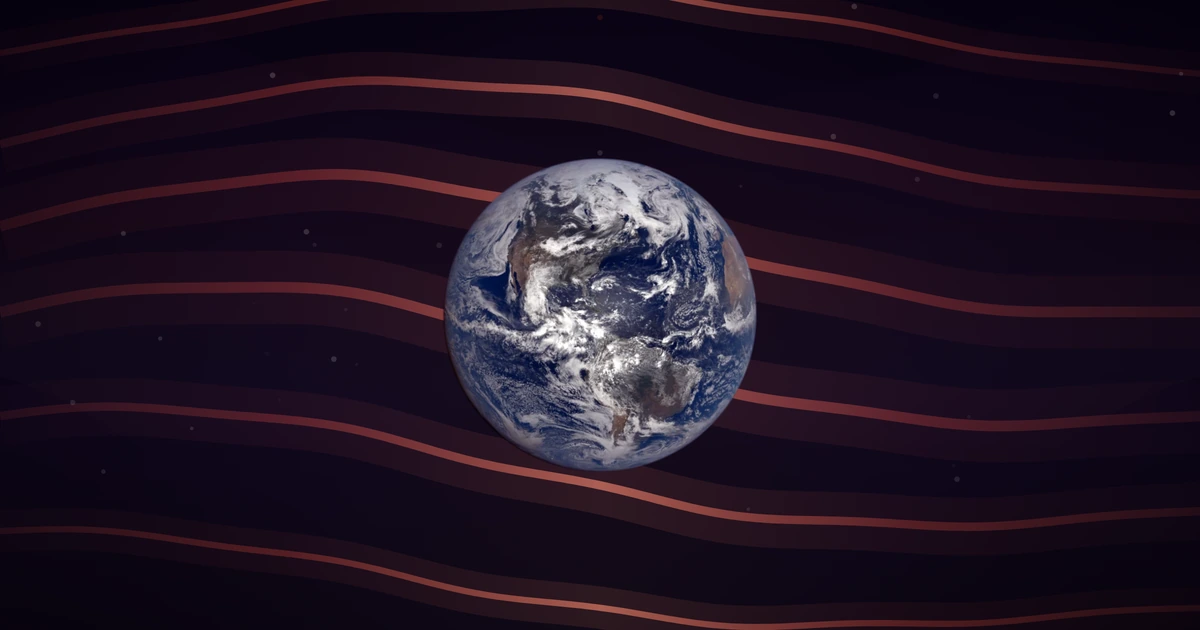
The Earth frequency: 194.18 Hz, the tone of one day
Earth frequency: 194.18 Hz is Cousto's tone for one Earth day, 86,400 seconds doubled 24 times. How it differs from 136.10 Hz, Schumann and the hum.
Listening practice
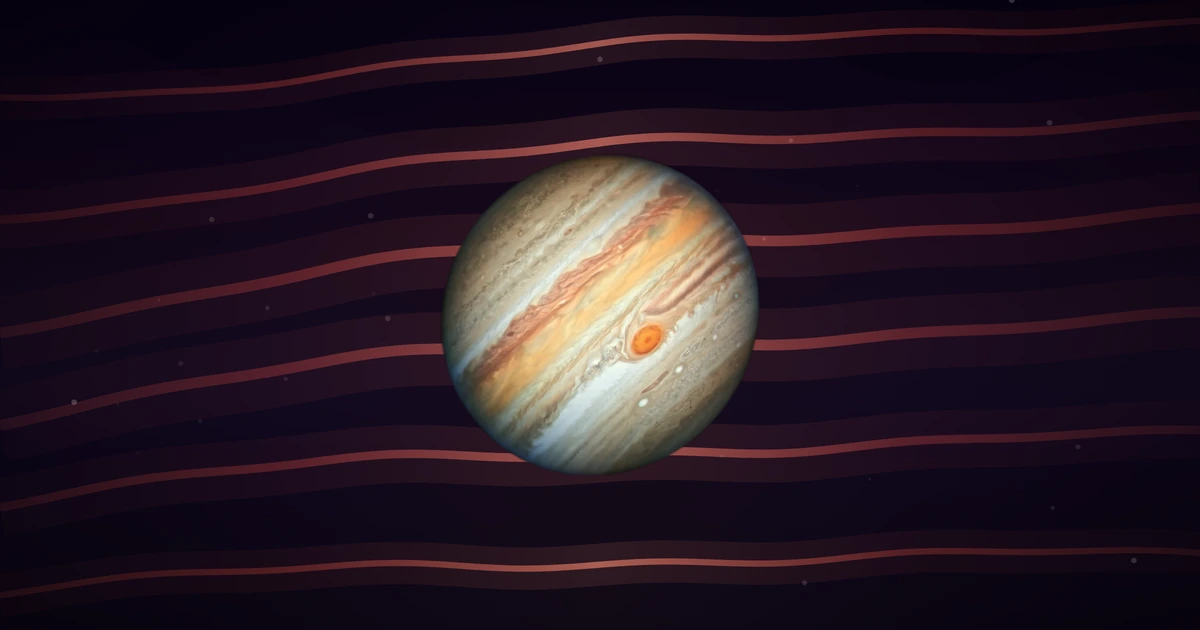
183.58 Hz benefits: Jupiter's tone and where its meanings come from
183.58 Hz benefits are symbolic: the Jupiter tone is its 11.86-year orbit raised 36 octaves, and no study has tested it. Where the meanings come from.
Listening practice
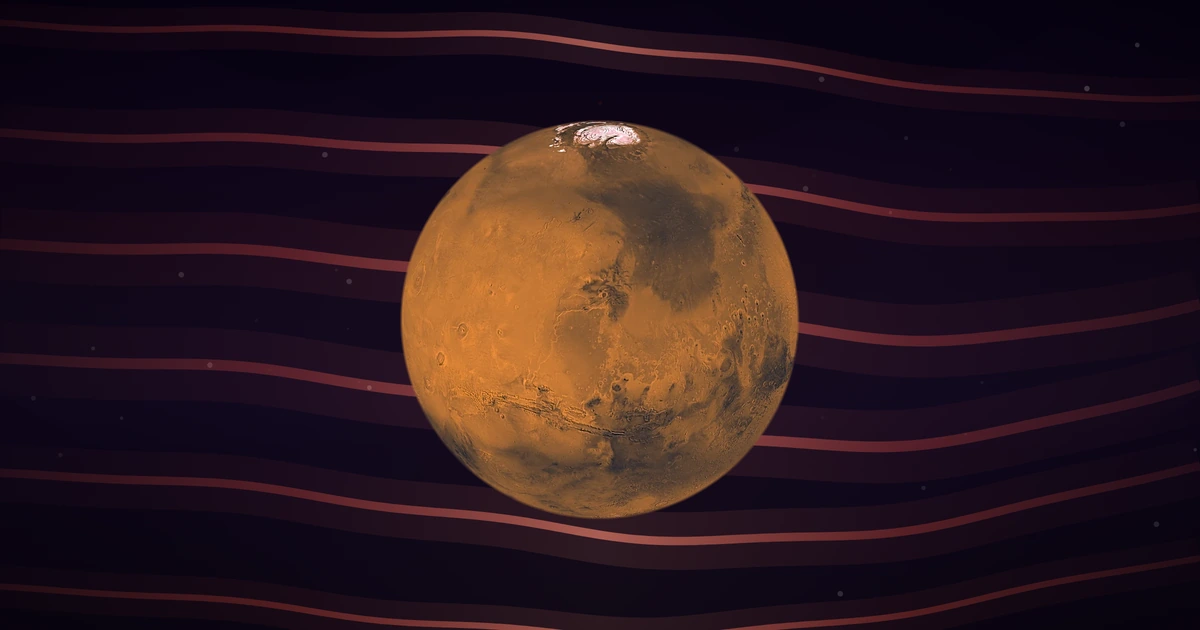
Mars frequency in Hz: where 144.72 Hz comes from
Mars frequency Hz, worked out: how a 687-day orbit becomes 144.72 Hz, how sound really travels on Mars, and what the tone sounds like.
Listening practice
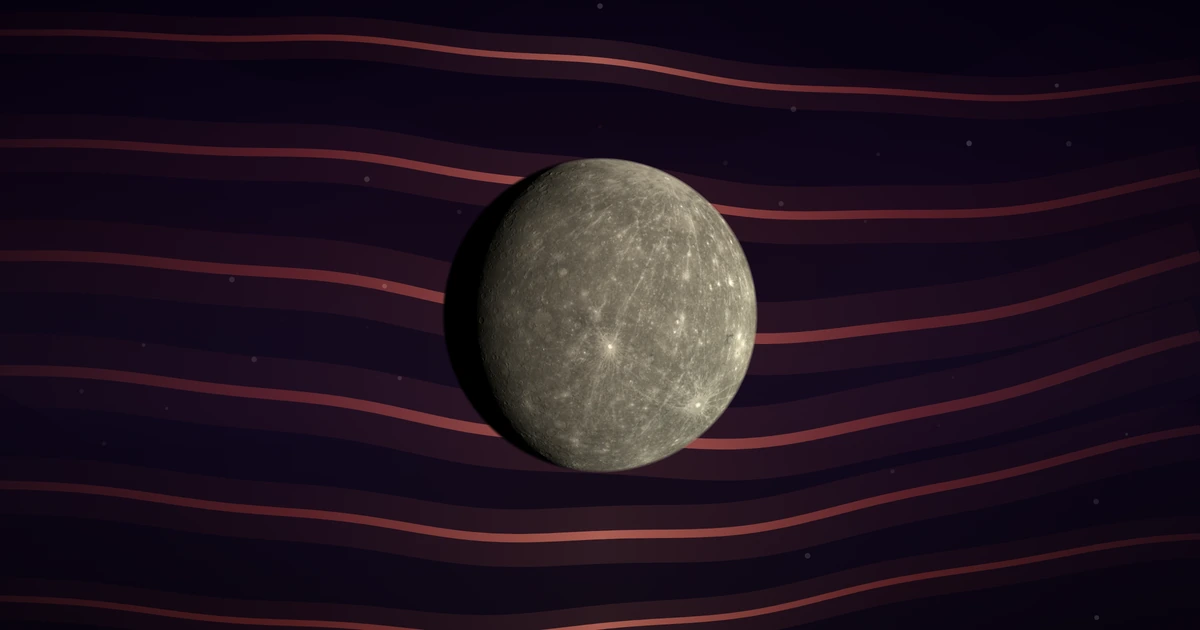
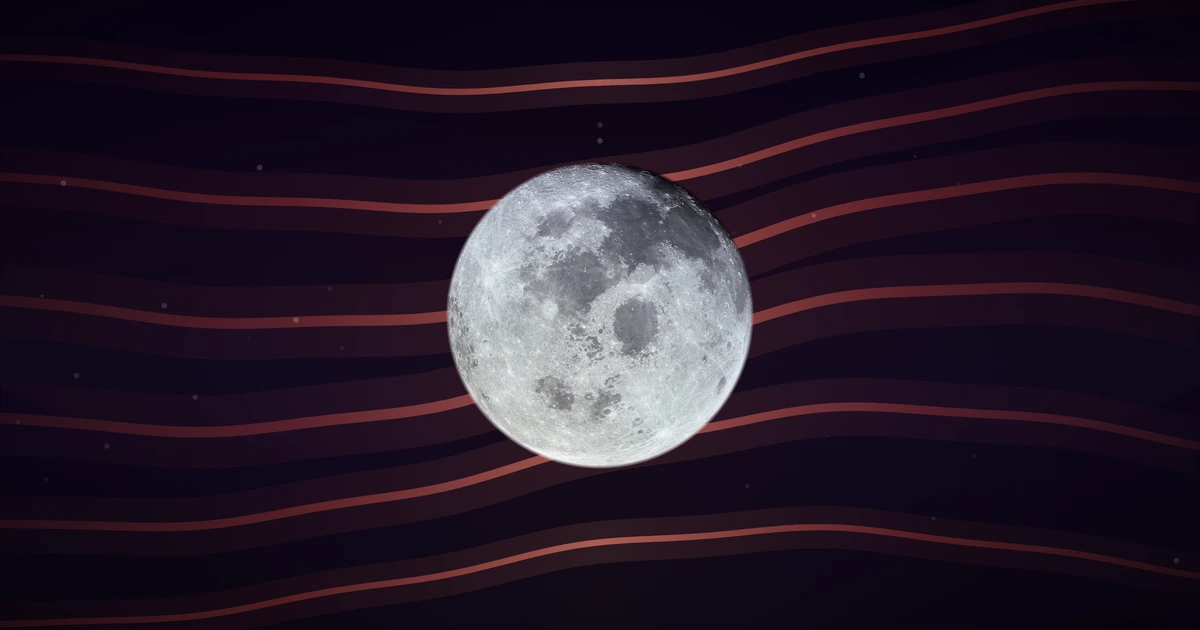
141.27 Hz benefits: what the Mercury frequency is and is not
141.27 Hz benefits, checked: the Mercury tone is its 88-day orbit raised 30 octaves, its spin sounds the fifth above, and no study has tested it.
Listening practice
210.42 Hz benefits: what the Moon tone is, and what is known
210.42 Hz benefits are symbolic: the Moon tone is the 29.53-day lunar month raised 29 octaves, and no study has tested it. Where the claims come from.

Listening practice
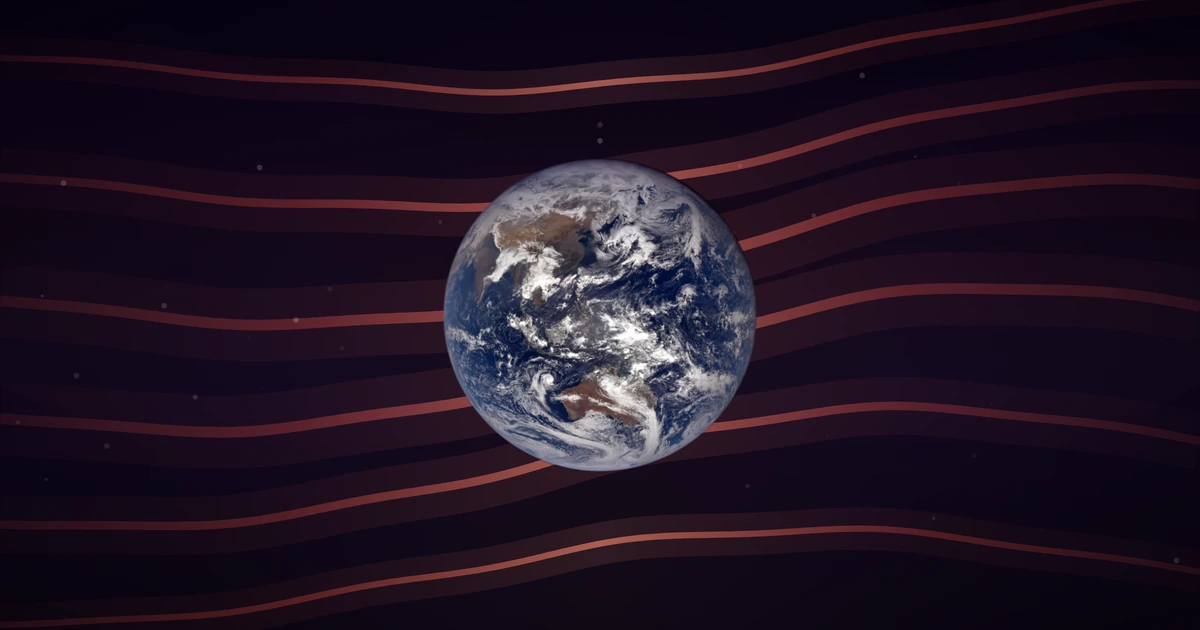
211.44 Hz benefits: Neptune's tone and where its meanings come from
211.44 Hz benefits are symbolic: the Neptune tone is its 164.8-year orbit raised 40 octaves, and no study has tested it. Where the meanings come from.
Listening practice
172.06 Hz benefits: the Platonic year tone, and what is known
172.06 Hz benefits are symbolic: the tone is the 25,920-year Platonic year raised 47 octaves, and no study has tested it. Where the number comes from.
Listening practice
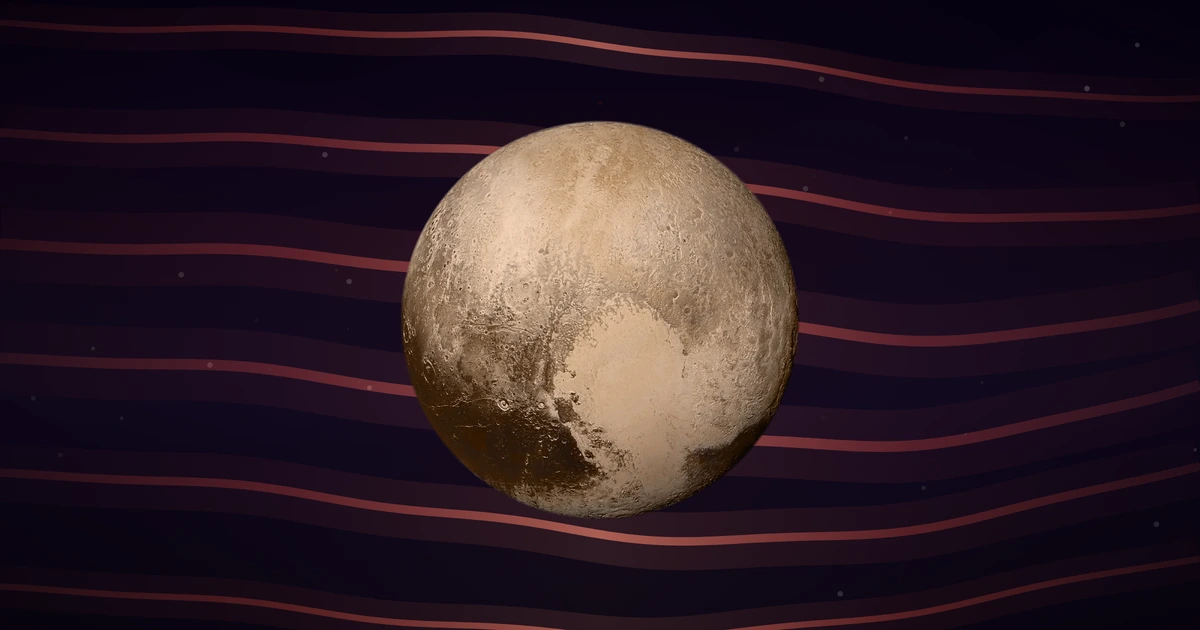
Pluto frequency in Hz: where 140.25 Hz comes from
Pluto frequency Hz, worked out: how a 248-year orbit becomes 140.25 Hz, why some sources say 140.64, and the fifth it makes with Neptune.

Listening practice
Saturn frequency in Hz: where 147.85 Hz comes from
Saturn frequency Hz, worked out: how a 29.46-year orbit becomes 147.85 Hz, why it is not NASA's sound of Saturn, and what the tone sounds like.
Research review
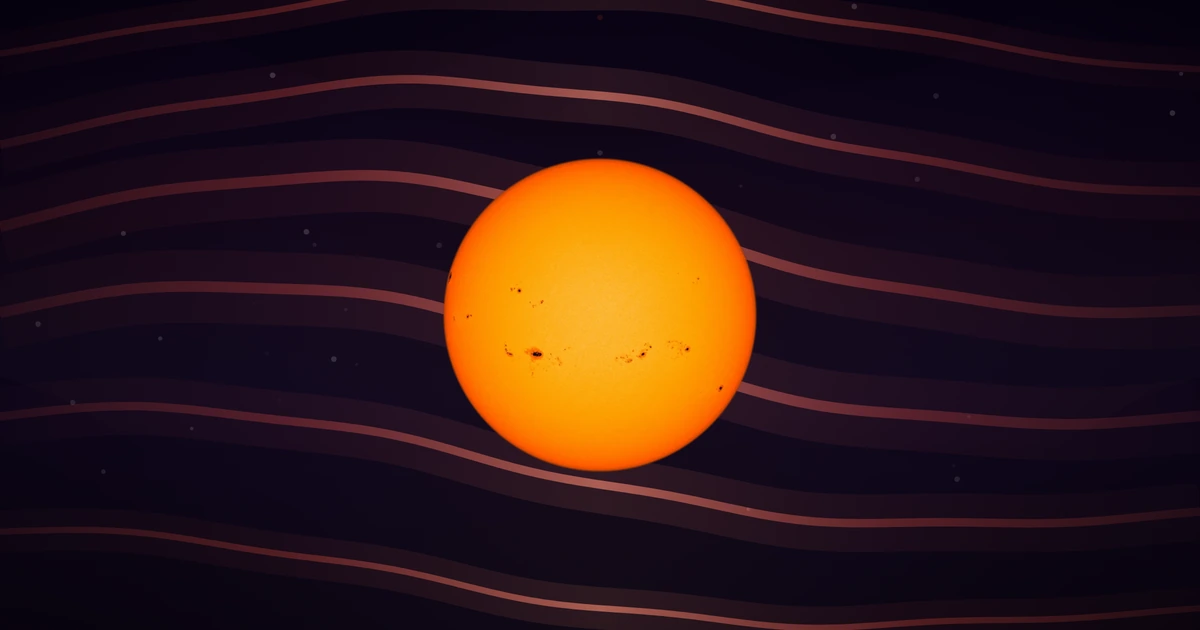
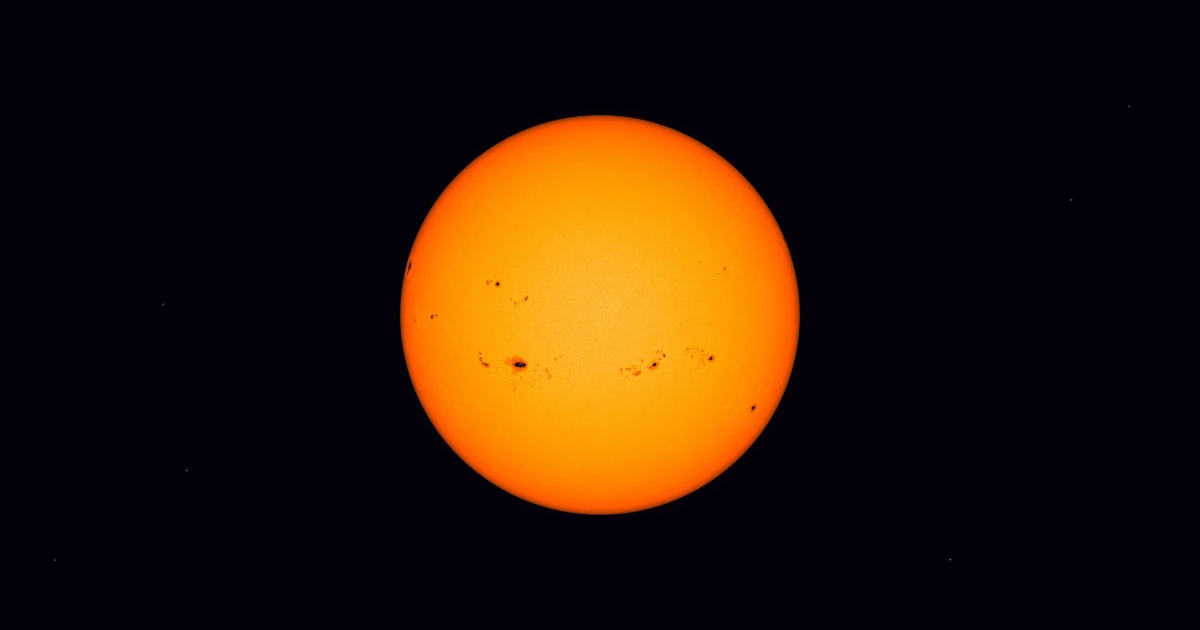
The Sun frequency: where 126.22 Hz comes from
Sun frequency Hz: the Sun tone is 126.22 Hz, from light circling the Sun's mass 32,312 times a second, halved eight times. It is not a sound from the Sun.

Listening practice
Uranus frequency in Hz: 207.36 and the 84-year orbit behind it
Uranus frequency Hz: 207.36, the planet's 84-year orbit raised 39 octaves to a G sharp. Where its meanings come from, and why no study has tested it.
Listening practice
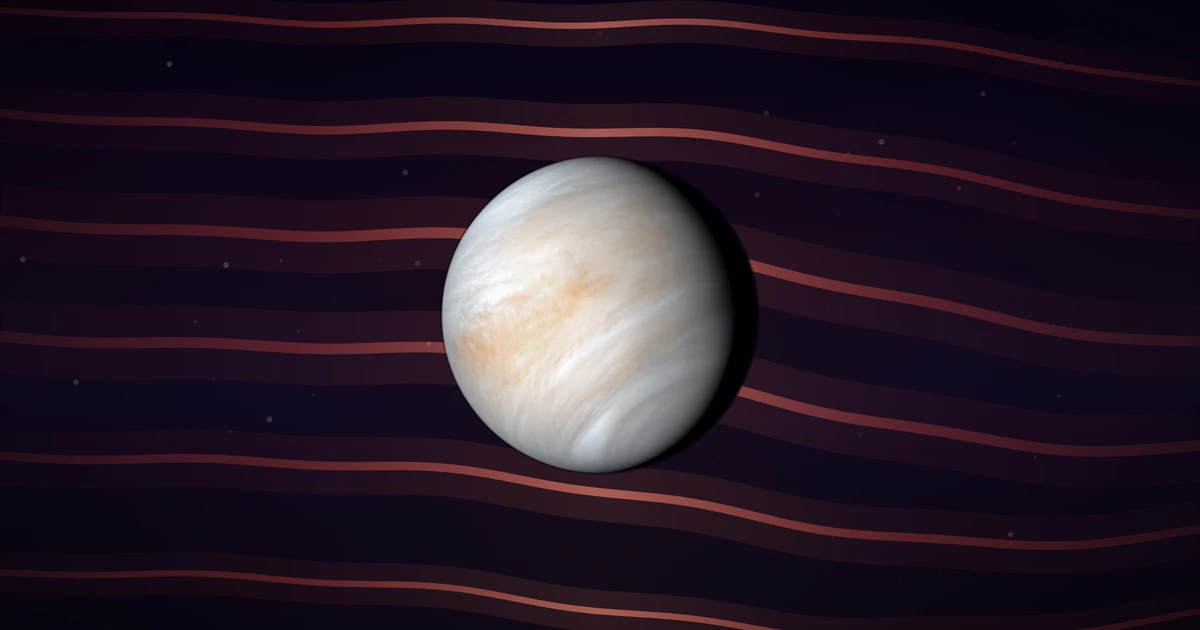
221.23 Hz benefits: what the Venus frequency is and is not
221.23 Hz benefits, checked: the Venus tone is its 225-day orbit raised 32 octaves, a 13 to 8 sixth above the Earth's year, and no study has tested it.

Research review
Singing bowl meditation: how to practise it
Singing bowl meditation, step by step: strike or circle the bowl, follow the tone as it fades, and what measured bowls and the studies show.

Research review
Tuning fork healing: the sound and the evidence
Tuning fork healing, measured: how a struck fork rings and fades, the frequencies forks are tuned to, how doctors use them and what studies show.

Listening practice
Schumann resonance: what 7.83 Hz really is
The Schumann resonance is Earth's lightning-driven radio hum near 7.83 Hz: how it was found, how it drifts, and what the health claims rest on.

Listening practice
174 Hz benefits: the claims and what is known
174 Hz benefits, checked: the comfort and natural anaesthetic claims, where the number came from, and how 37 listeners rated the lowest Solfeggio tone.

Listening practice
285 Hz benefits: restoration claims, checked
285 Hz benefits, checked: where the restoration claim began, how 37 listeners rated the tone, and why it falls between two piano keys.

Listening practice
396 Hz benefits: guilt, fear and the evidence
396 Hz benefits, checked: the guilt and fear claims, why the tone called UT is a G, and what 18 listeners' skin did when it played first.

Listening practice
417 Hz benefits: where the claims come from
417 Hz benefits, traced: a 1999 number, a 2002 label for change, and a test where 37 adults rated it near the middle of every scale.

Listening practice
639 Hz benefits: the claims about connection
639 Hz benefits, checked: how the number and its link to relationships began, the heart chakra pairing, and what four small listening studies found.

Listening practice
741 Hz benefits and meaning: the evidence
741 Hz benefits, checked: the sin offering verse behind the number, SOL and the throat chakra, its note, and what a study of 18 people's skin found.

Listening practice
852 Hz benefits: the claims and the evidence
852 Hz benefits, checked: where the number came from, the third eye chakra link, the keypad tone, and what two listening studies found.

Listening practice
963 Hz benefits: the claims and the evidence
963 Hz benefits, checked: where the number and the God frequency name came from, the crown chakra link, and what two listening studies found.
Listening practice
888 Hz and Jupiter: is there a frequency of good fortune?
888 Hz and Jupiter, the pairing people play for wealth and luck: where each number comes from, how the two sound together, and what luck research found.
Listening practice
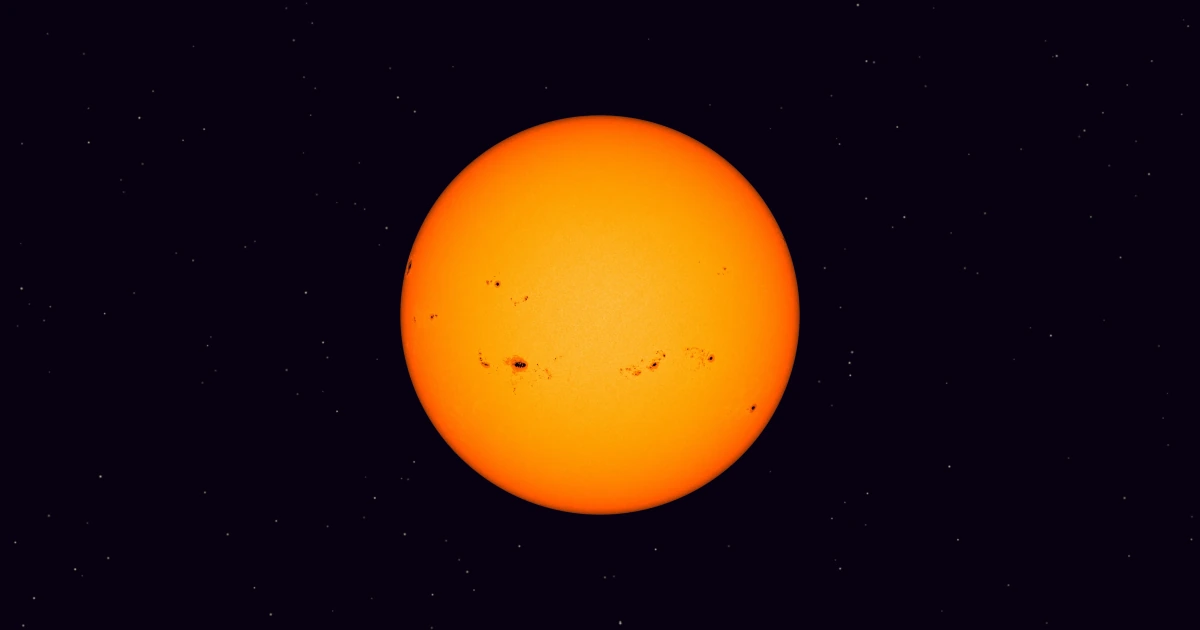
What frequency is good for creativity? The Sun and 417 Hz
What frequency is good for creativity? No tone has been shown to raise it. Where the Sun and 417 Hz pairing comes from, and what music studies found.

Listening practice
Frequency for confidence: the Mars and 396 Hz pairing
Is there a frequency for confidence? No tone has been shown to build it. Where the Mars and 396 Hz pairing comes from, and what research on sound found.
Listening practice
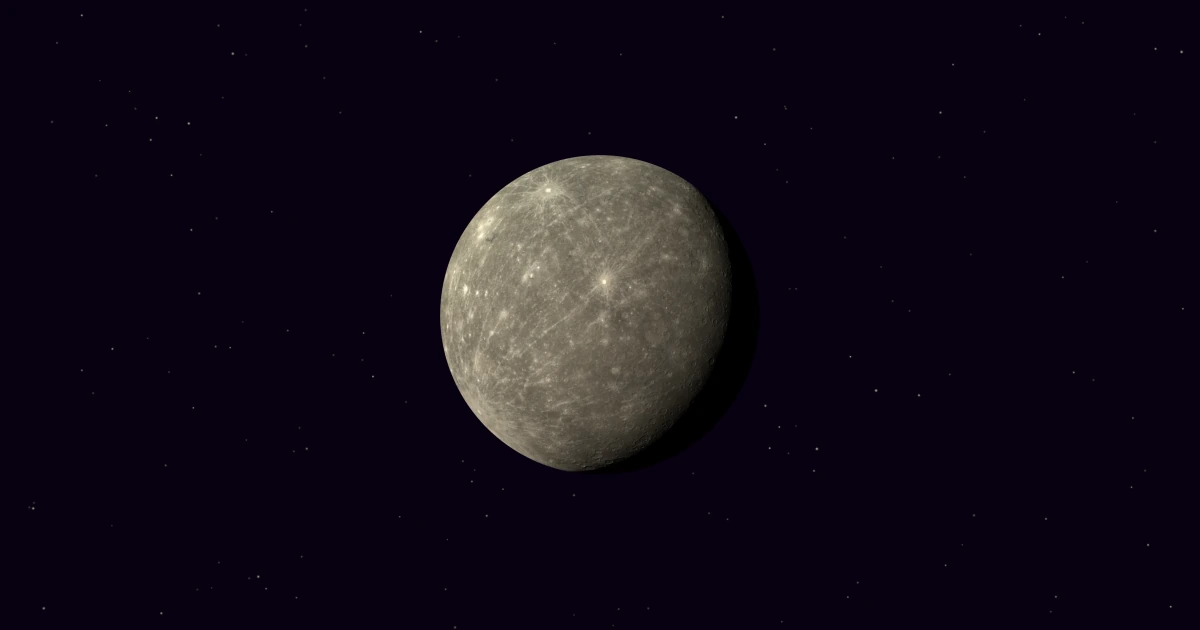
Concentration frequency: the Mercury and 741 Hz pairing
Is there a concentration frequency? No tone has been shown to sharpen focus. Where the Mercury and 741 Hz pairing comes from, and what research found.

Listening practice
Grounding Hz: the tones called grounding, and where each comes from
Grounding Hz, traced: 174 and 396 Hz come from the Solfeggio set, 194.18 Hz from one Earth day raised 24 octaves. No study shows a tone grounds anyone.
Listening practice
Happy frequency: the Sun tone and 528 Hz pairing
Is there a happy frequency? No tone has been shown to lift mood. Where the Sun and 528 Hz pairing comes from, and what music research found.
Listening practice
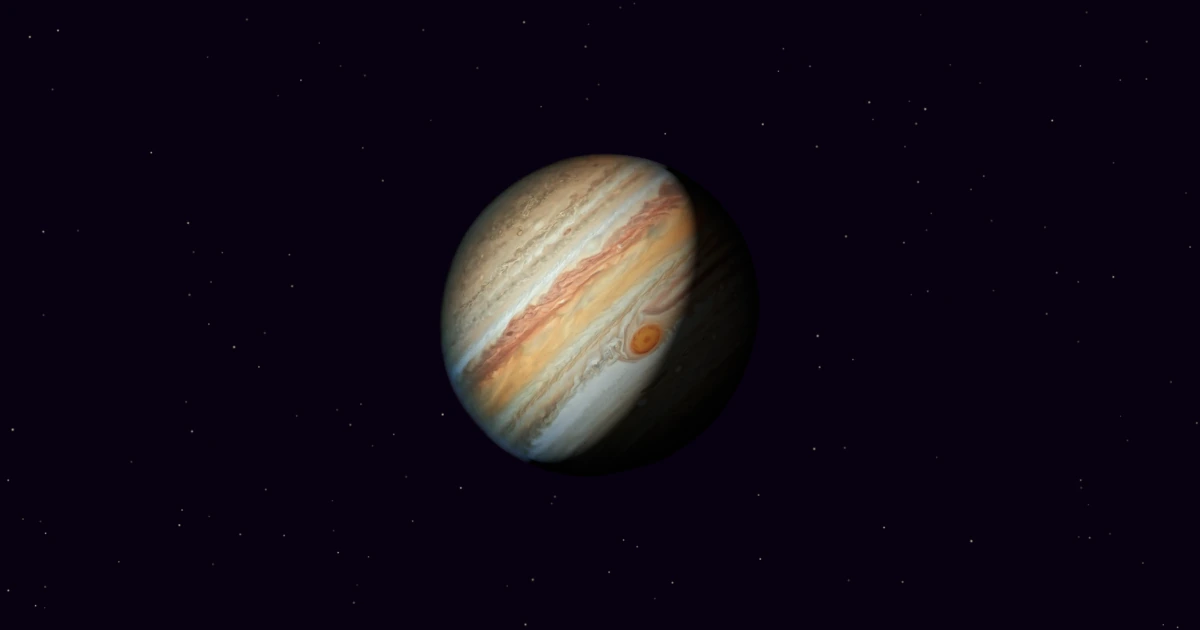
Law of attraction frequency: the Jupiter and 963 Hz pairing
Is there a law of attraction frequency? No tone has been shown to bring a wish about. Where the Jupiter and 963 Hz pair comes from, and what studies found.

Listening practice
What frequency is relaxing? What studies found, and the 432 Hz and 174 Hz pair
What frequency is relaxing? None is proven. 37 listeners rated low tones calmest: 8.1 of 10 for 174 Hz, 4.4 for 440 Hz, the tone nearest 432 Hz.

Listening practice
Spiritual awakening frequency: 963 Hz and the Platonic year tone
Is there a spiritual awakening frequency? No tone has been shown to bring one on. Where 963 Hz and 172.06 Hz come from, and what research on sound found.

Research review
Binaural beats when you feel anxious: what the trials show
Binaural beats when anxious, tested: three trials played the same sound with and without the beat, and only one found the beat made a clear difference.

Listening practice
Does music help you study? What the research shows
Does music help you study? A meta-analysis of 65 studies found background music lowered reading comprehension a little, and songs with lyrics most of all.

Research review
Music for grief: what the research shows, and where it stops
Music for grief, checked: sad music brought 772 people nostalgia more than sadness, and the grief studies are small, 7 to 26 people each.

Listening practice
What is the love frequency? Three tones share the name
What is the love frequency? Usually 528 Hz, first tied to love in 2011; 639 Hz and the Venus tone share the name. No study has tested any of them on love.

Listening practice
Is there a best frequency for meditation? What studies show
Best frequency for meditation? No study has found one. In a 2026 study, five minutes of a 6 Hz beat left students calmer; silence did not.

Research review
Does music help with sleep? What the trials show
Music and sleep, tested: in 10 trials with 708 adults, nightly music lowered sleep questionnaire scores by 2.8 of 21 points. Sensors saw no clear change.

Listening practice
How to relax with sound: what the studies show
How to relax with sound: in 104 trials music lowered stress; slow music calmed the body more than fast, and two minutes of silence calmed it further.
Just be curious. This is not a medical device or medical advice. For any health concern, please speak to your doctor.