Frequency guide
Listening context
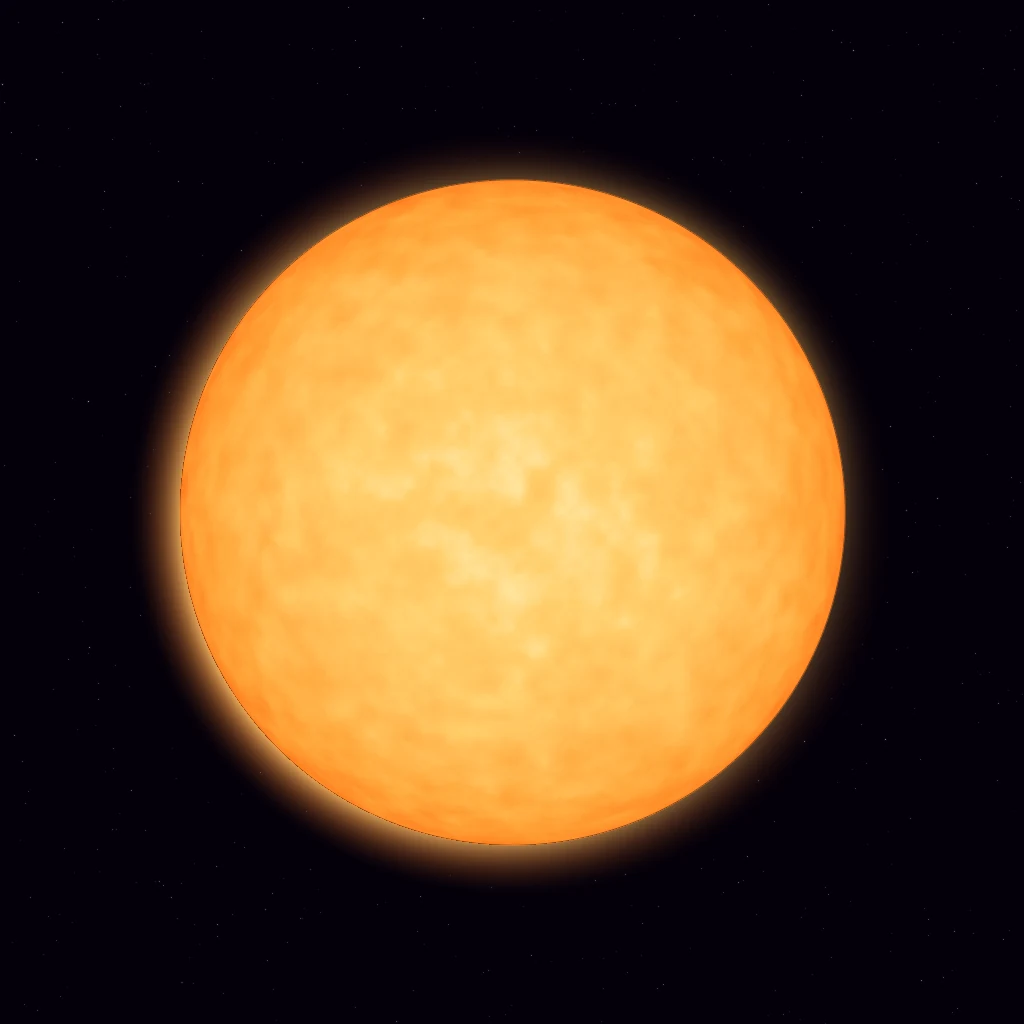
126.22 Hz is the tone that the Swiss mathematician and musicologist Hans Cousto assigned to the Sun in his cosmic octave system. The tone is a mathematical reference; the Sun calculation differs from the orbital-period method used for planets. The result is a warm, low reference close to a B in standard tuning, sitting comfortably within the singing voice.
Origin: the astronomy and the octave maths
An octave is the most fundamental interval in music: doubling a frequency raises a pitch by exactly one octave, and the two notes sound like the same note an octave apart. Cousto's insight, set out in the cosmic-octave system he developed in 1978, was that you can regard any slow cosmic rhythm as an extremely low frequency and simply keep doubling it until it becomes audible.
The Sun’s 126.22 Hz reference is an exception to the usual planetary-period calculation. Planetware describes a theoretical gravitational limit and eight downward octave shifts, not the Sun’s measured rotation. It is a mathematical model, not recorded solar sound. Read the Sun calculation.
Tradition and mythology
Across many old cultures the Sun stood at the centre of things. The Egyptians honoured Ra, carried across the sky each day; Greek and Roman myth gave us Helios and Sol, and later Apollo as a god of light and clarity. In Vedic astrology Surya represents the steady self and vitality. Western astrology has long tied the Sun to identity, will, and a clear sense of direction. Cousto's tone gathers that long symbolic history into a single sounded reference, which is why many listeners reach for it when working on focus, confidence, or a settled sense of self.
How listeners use it
Reports are subjective and vary from person to person. Common notes include:
- A warm, even quality that suits quiet morning work or writing.
- A steady anchor during longer meditation sittings.
- Slow, even breathing falling into place without effort.
- A daylight character that some prefer earlier in the day.
What the evidence says
NCCIH’s overview concerns music-based interventions. Our inference is that this evidence does not establish a clinical benefit from this isolated 126.22 Hz tone. Personal enjoyment is a listening response, not a clinical measurement. Read the music research and its limits.
How to listen
- Keep the volume low and conversational; you should be able to speak over it easily.
- Try a first session of around ten minutes and notice how it lands.
- Pair it with a simple breath count, a stretch, or quiet reading.
- Prefer open-back headphones or a speaker for a roomier feel.
- If the tone ever feels grating, take a break or switch references.
126.22 Hz: The Sun Tone in Cousto's Planetary System
126.22 Hz is the Solar tone in Hans Cousto’s cosmic-octave system. Most planetary tones translate a period by taking its reciprocal and doubling the resulting frequency. The Sun reference instead comes from a theoretical limit calculation. It remains a low, warm listening pitch near B2. Read the source table.
Where this frequency comes from
Cousto’s cosmic-octave writing sets out the maths and the philosophy behind the system. He argued that any recurring motion in nature can be expressed as a tone if it is octave-shifted enough times. The Sun has been read symbolically across many older traditions, from Egyptian and Hellenistic to Hindu and Mayan astrologies, often as a centre point, a source of warmth, or an image of a clear and settled self. Cousto's tuning gave those older readings a sounded reference: a steady pitch a listener could return to as part of a contemporary practice.
It is worth being clear about what kind of system this is. It is a creative, mathematically inspired tradition rather than a finding from physics. Sound does not travel through the near-vacuum of space, so 126.22 Hz is not the literal noise of the Sun. It is a translation of a mathematical model into something audible, and the meanings attached to it draw from older symbolism, not from astrophysics. That is a useful frame to hold while listening: the tone is interesting because of the way it was derived and the long human conversation it sits inside, not because the Sun is broadcasting at a particular pitch.
Symbolic threads
In older astrological systems, the Sun has been associated with the core sense of self, with clear-headed decision making, with steady warmth, and with a quietly self-directed posture in the world. Many of those readings are tied to the Sun's everyday role in daily life: it is the source of light and warmth, the marker of the day, and the most reliable presence in the sky.
Contemporary listeners drawing on those older threads sometimes connect the 126.22 Hz tone to themes of identity, presence, and steady direction. In yogic mapping conventions used by many modern practitioners, this pitch is sometimes paired with the upper-belly energy centre, often described as the place we feel a sense of personal will and confidence. That pairing is symbolic rather than physiological, and you do not need to accept any particular mapping to find the tone useful as a quiet reference for reflective practice.
How people describe listening to it
Subjective reports from listeners vary widely. Some recurring notes from people who have written about sitting with 126.22 Hz:
- A warm, even quality that feels grounded rather than airy.
- A useful background for morning writing or quiet work.
- A sense of settled focus rather than active stimulation.
- Slower, easier breathing as the session goes on.
- A daylight feel that some listeners prefer in the first half of the day.
- A tone that fades into the room once you have stopped paying close attention to it.
Other listeners do not find this tone particularly distinctive and prefer the brighter Mars reference or the more spacious Jupiter one. That kind of variation is part of why a personal practice matters more than any one description.
How to use it in a listening practice
A small, repeatable practice with the Sun tone might look like this:
- Keep the volume low and conversational; the tone is meant to sit underneath the moment, not on top of it.
- Try a first session of around ten minutes and write a quick note afterward about what you noticed.
- Pair it with a simple breath count, a stretch routine, or quiet reading.
- Morning works well for many listeners; experiment with different times of day and notice your response.
- If you use headphones, prefer open-back models or speakers where possible.
- Let the same tone sit alongside a familiar journaling prompt about direction or focus.
- If the pitch starts to feel grating, take a break or switch to a neighbouring tone.
Honest limits
This page is educational and reflective. The 126.22 Hz Sun tone is part of a symbolic tuning system, not a clinical tool, and listening to it is not health advice. Sound and music sit alongside many other practices that people use to slow down and pay attention; they are not a replacement for professional support when something in your life calls for it. Research on the effects of specific frequencies is still very early, and most claims you will find online outrun what the evidence actually shows.
The older symbolism around the Sun is best held as a story you find useful rather than as a literal claim about what a sound can do. Try the tone gently, notice what you notice, and let your own response shape the practice over time. A few quiet minutes with a steady reference, in a familiar room, is a small and reasonable thing to enjoy without needing it to do anything dramatic.
Where this fits in the Harmonance library
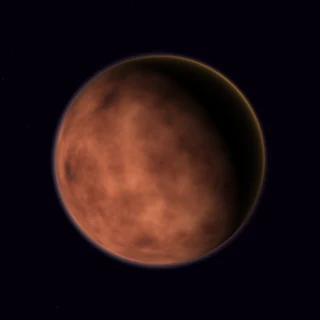
The Sun tone is one of the more popular reference points in the Cousto family of planetary frequencies, and many listeners use it as an entry into the wider set. The Harmonance library includes neighbouring tones such as the brighter Mars reference at 144.72 Hz, the buoyant Jupiter tone at 183.58 Hz, and the softer Neptune pitch further along in the planetary octave. Comparing two or three of these as your practice grows is a useful way to notice how your response shifts across different pitches.
You may also enjoy moving between the planetary references and the angel-number tones, such as 111 Hz or 222 Hz, which sit in similar parts of the audio spectrum but come from a different tradition. Held lightly, as one small ritual among many, the 126.22 Hz tone can be a friendly companion to a slow morning, a thoughtful writing session, or the quiet half-hour between waking up and stepping into the rest of the day.
For related reading, see planetary frequencies and astrology and frequencies.
Listen with this
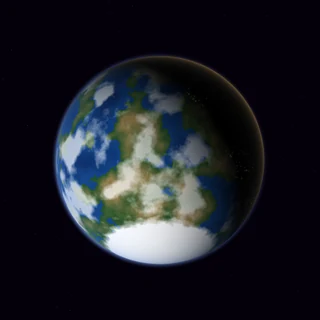
If this piece speaks to you, you might explore these tones gently as part of a wind-down or focus routine: 136.10 Hz Earth Year 144.72 Hz Mars 183.58 Hz Jupiter.
Sources
NCCIH’s overview concerns music-based interventions. Our inference is that this evidence does not establish a clinical benefit from one isolated listening tone. Personal enjoyment is a listening response, not a clinical measurement. Read the music research and its limits.
- NCCIH: Music and Health, What You Need To Know
- Sustained tone and relaxation studies (PubMed)
- Music intervention reviews (Cochrane Library)
What is 126.22 Hz?
126.22 Hz means 126.22 cycles per second. Cousto’s 126.22 Hz Sun reference comes from a theoretical limit calculation, not solar rotation. Solar symbolism includes identity, light and clear direction, from Ra and Helios to Surya in Vedic tradition.
Does a song mentioning the Sun identify this listening pitch?
A song title or lyric mentioning the Sun does not identify a cosmic-octave tuning. This page offers the 126.22 Hz Sun reference, not a song-identification service.
Try the pitch, then notice
Press Play above when you are ready. Start quietly, listen briefly, and use the player’s volume control. Compare the neighbouring tones without judging one as medically superior. Stop if the sound is uncomfortable. Signed-in Studio lets you choose layers and timers; public listening needs no account.