Frequency guide
Listening context
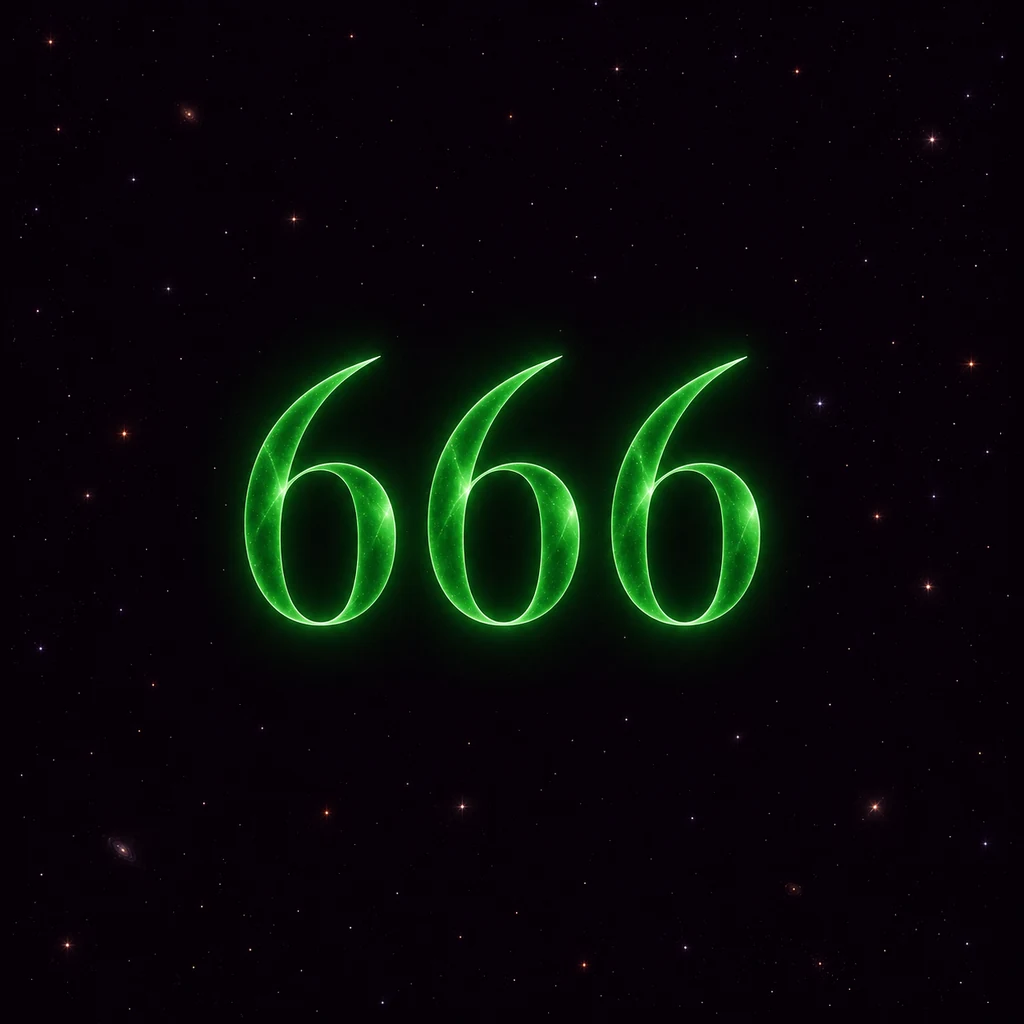
The 666 Hz tone belongs to the angel-number family, pairing the sequence 666 with a frequency in Hertz. Setting aside the number's better-known cultural baggage, popular numerology reads 666 as a down-to-earth theme of balance, self-acceptance, and attending to everyday life. The pitch is warm and rounded, with a settled character.
Where this number comes from
Angel numbers are a strand of modern, popular numerology rather than an ancient scripture. The broad idea, that a repeating run of digits glimpsed on a clock, a receipt, or a doorway can act as a gentle nudge to pause and pay attention, took its current shape through writers and teachers active from the late 1990s onward, drawing on much older traditions that attached symbolic meaning to numbers. The pairing of each sequence with an audible tone measured in Hertz is more recent still: a creative bridge between a numerology reading and a listening practice. There is no claim here that the universe physically hums at any of these pitches; the number is simply mapped to a frequency so the symbolism can be carried into sound.
In angel-number writing, 666 is often reframed away from superstition and towards the ordinary and the grounded: a gentle reminder to look after the practical, day-to-day side of things and to be kind to yourself while you do. The repeated sixes are usually taken as a prompt about balance and acceptance rather than anything ominous, a reflective theme, nothing more.
How listeners use it
Listeners tend to use 666 Hz as a settling, accepting backdrop. Familiar contexts include:
- A grounding pause to reconnect with the here and now.
- A few self-kind minutes after a demanding stretch.
- A calm anchor for slow breathing or quiet reflection.
- A steady ambience for tidying, stretching, or other simple routines.
Read the number as a quiet theme to hold while you listen, never as a forecast of what is to come. Nothing is being promised or predicted; the value sits in the few unhurried minutes you give yourself, not in the digits themselves.
What the evidence says
It is worth being plain. The link between a numerology sequence and a specific pitch is a modern cultural framing, not a finding from research, and there is no body of study showing that any particular tone carries the meaning attached to a number. What research does explore is gentler and more general: reviews of music and sound-based listening report early, mixed signals for relaxation, mood, and sleep quality, with effects that are modest and vary a great deal from person to person. The United States National Center for Complementary and Integrative Health notes that evidence for music-based approaches is still developing and far from settled. Approach anything you read about a frequency ‘doing’ something specific to the body with friendly scepticism, and let your own experience be the guide.
How to listen
There is no correct way to do this, but a few gentle habits help.
- Keep the volume low and comfortable, you should always be able to hear yourself think and leave the session at any moment.
- Try five to fifteen minutes to begin with, seated or lying down, somewhere you will not be interrupted.
- Let the warmth of the tone support an unhurried, accepting frame of mind.
- Lower volumes tend to feel more settling than louder ones for this rounded tone.
- If the tone ever feels monotonous, tiring, or simply not for you, stop. There is nothing to push through.
Listeners who like 666 Hz often explore the steadying 444 Hz tone and the grounding 174 Hz reference as neighbours.
666 Hz Angel Number: Grounding And Listening Context
For direct playback, use the related frequency page: 666 Hz: Grounded Balance.
666 Hz angel number: grounding and listening context
Angel numbers are repeating sequences read, in numerology, as gentle prompts rather than predictions. Despite the number's reputation in popular culture, numerology reads 666 as a quiet call towards balance and re-grounding. The tone translates that into a steady sound you can sit with while you reflect; it is a frame for a calm frame of mind, not a promise of any outcome.
Where the symbolism comes from
In numerology the number 6 is associated with home, care, and harmony; tripled as 666, that theme is often read as a reminder to re-balance when attention has drifted too far towards worry or material concerns, and to look after yourself and your relationships. The ominous associations are cultural rather than numerological. It is folk symbolism, not a scientific claim, and is best held lightly.
People who keep noticing 666 often take it simply as a nudge to slow down, accept themselves as they are, and bring things back into proportion. The tone gives that reflection a steady backdrop.
How listeners use it
- A grounding backdrop when life feels lopsided or over-busy.
- A prompt towards self-acceptance and a gentler inner tone.
- A calm companion to journaling or a short re-balancing pause.
Many people use it as a brief reset to bring things back into proportion. For the wider context, see our guide to angel numbers and spiritual numerology.
How to listen
- Try a short session of five to fifteen minutes when you want to re-balance.
- Keep the volume low and comfortable.
- Pair it with one area of life you would like to bring back into proportion.
- Step away if it stops feeling grounding.
Listen with this
If this tone suits you, these neighbouring references give you something to compare it with.
- 222 Hz: Balance And Harmony
- 444 Hz: Steadiness And Order
- 174 Hz: Comfort And Grounding
- 7.83 Hz: Schumann Resonance (binaural)
Sources
NCCIH’s overview concerns music-based interventions. Our inference is that this evidence does not establish a clinical benefit from one isolated listening tone. Personal enjoyment is a listening response, not a clinical measurement. Read the music research and its limits.
Harmonance is for relaxation, reflection, and educational exploration. It is not medical advice and should not replace professional care.
What does 666 Hz mean in angel-number listening?
666 Hz means 666 cycles per second. In popular numerology, 666 is reframed as grounded balance and self-acceptance; it is offered here as a reflective listening prompt, not a forecast.
What benefits are claimed for 666 Hz?
The traditional associations described above are listening themes, not measured outcomes. NCCIH’s overview concerns music-based interventions. Our inference is that this evidence does not establish a clinical benefit from this isolated 666 Hz tone. Personal enjoyment is a listening response, not a clinical measurement. Read the music research and its limits.
Try the pitch, then notice
Press Play above when you are ready. Start quietly, listen briefly, and use the player’s volume control. Compare the neighbouring tones without judging one as medically superior. Stop if the sound is uncomfortable. Signed-in Studio lets you choose layers and timers; public listening needs no account.


%22%2F%3E%3Ccircle%20cx%3D%22300%22%20cy%3D%22300%22%20r%3D%22295.8%22%20fill%3D%22url(%23halo-fa174600)%22%2F%3E%3Cg%20class%3D%22fa-solfeggio%22%20opacity%3D%220.92%22%3E%3Ccircle%20cx%3D%22300%22%20cy%3D%22300%22%20r%3D%2263%22%20fill%3D%22none%22%20stroke%3D%22url(%23gold-fa174600)%22%20stroke-width%3D%221.92%22%20stroke-opacity%3D%220.5%22%2F%3E%3Ccircle%20cx%3D%22363%22%20cy%3D%22300%22%20r%3D%2263%22%20fill%3D%22none%22%20stroke%3D%22url(%23gold-fa174600)%22%20stroke-width%3D%221.92%22%20stroke-opacity%3D%220.5%22%2F%3E%3Ccircle%20cx%3D%22331.5%22%20cy%3D%22354.56%22%20r%3D%2263%22%20fill%3D%22none%22%20stroke%3D%22url(%23gold-fa174600)%22%20stroke-width%3D%221.92%22%20stroke-opacity%3D%220.5%22%2F%3E%3Ccircle%20cx%3D%22268.5%22%20cy%3D%22354.56%22%20r%3D%2263%22%20fill%3D%22none%22%20stroke%3D%22url(%23gold-fa174600)%22%20stroke-width%3D%221.92%22%20stroke-opacity%3D%220.5%22%2F%3E%3Ccircle%20cx%3D%22237%22%20cy%3D%22300%22%20r%3D%2263%22%20fill%3D%22none%22%20stroke%3D%22url(%23gold-fa174600)%22%20stroke-width%3D%221.92%22%20stroke-opacity%3D%220.5%22%2F%3E%3Ccircle%20cx%3D%22268.5%22%20cy%3D%22245.44%22%20r%3D%2263%22%20fill%3D%22none%22%20stroke%3D%22url(%23gold-fa174600)%22%20stroke-width%3D%221.92%22%20stroke-opacity%3D%220.5%22%2F%3E%3Ccircle%20cx%3D%22331.5%22%20cy%3D%22245.44%22%20r%3D%2263%22%20fill%3D%22none%22%20stroke%3D%22url(%23gold-fa174600)%22%20stroke-width%3D%221.92%22%20stroke-opacity%3D%220.5%22%2F%3E%3Ccircle%20cx%3D%22426%22%20cy%3D%22300%22%20r%3D%2263%22%20fill%3D%22none%22%20stroke%3D%22url(%23gold-fa174600)%22%20stroke-width%3D%221.92%22%20stroke-opacity%3D%220.5%22%2F%3E%3Ccircle%20cx%3D%22394.5%22%20cy%3D%22354.56%22%20r%3D%2263%22%20fill%3D%22none%22%20stroke%3D%22url(%23gold-fa174600)%22%20stroke-width%3D%221.92%22%20stroke-opacity%3D%220.5%22%2F%3E%3Ccircle%20cx%3D%22363%22%20cy%3D%22409.12%22%20r%3D%2263%22%20fill%3D%22none%22%20stroke%3D%22url(%23gold-fa174600)%22%20stroke-width%3D%221.92%22%20stroke-opacity%3D%220.5%22%2F%3E%3Ccircle%20cx%3D%22300%22%20cy%3D%22409.12%22%20r%3D%2263%22%20fill%3D%22none%22%20stroke%3D%22url(%23gold-fa174600)%22%20stroke-width%3D%221.92%22%20stroke-opacity%3D%220.5%22%2F%3E%3Ccircle%20cx%3D%22237%22%20cy%3D%22409.12%22%20r%3D%2263%22%20fill%3D%22none%22%20stroke%3D%22url(%23gold-fa174600)%22%20stroke-width%3D%221.92%22%20stroke-opacity%3D%220.5%22%2F%3E%3Ccircle%20cx%3D%22205.5%22%20cy%3D%22354.56%22%20r%3D%2263%22%20fill%3D%22none%22%20stroke%3D%22url(%23gold-fa174600)%22%20stroke-width%3D%221.92%22%20stroke-opacity%3D%220.5%22%2F%3E%3Ccircle%20cx%3D%22174%22%20cy%3D%22300%22%20r%3D%2263%22%20fill%3D%22none%22%20stroke%3D%22url(%23gold-fa174600)%22%20stroke-width%3D%221.92%22%20stroke-opacity%3D%220.5%22%2F%3E%3Ccircle%20cx%3D%22205.5%22%20cy%3D%22245.44%22%20r%3D%2263%22%20fill%3D%22none%22%20stroke%3D%22url(%23gold-fa174600)%22%20stroke-width%3D%221.92%22%20stroke-opacity%3D%220.5%22%2F%3E%3Ccircle%20cx%3D%22237%22%20cy%3D%22190.88%22%20r%3D%2263%22%20fill%3D%22none%22%20stroke%3D%22url(%23gold-fa174600)%22%20stroke-width%3D%221.92%22%20stroke-opacity%3D%220.5%22%2F%3E%3Ccircle%20cx%3D%22300%22%20cy%3D%22190.88%22%20r%3D%2263%22%20fill%3D%22none%22%20stroke%3D%22url(%23gold-fa174600)%22%20stroke-width%3D%221.92%22%20stroke-opacity%3D%220.5%22%2F%3E%3Ccircle%20cx%3D%22363%22%20cy%3D%22190.88%22%20r%3D%2263%22%20fill%3D%22none%22%20stroke%3D%22url(%23gold-fa174600)%22%20stroke-width%3D%221.92%22%20stroke-opacity%3D%220.5%22%2F%3E%3Ccircle%20cx%3D%22394.5%22%20cy%3D%22245.44%22%20r%3D%2263%22%20fill%3D%22none%22%20stroke%3D%22url(%23gold-fa174600)%22%20stroke-width%3D%221.92%22%20stroke-opacity%3D%220.5%22%2F%3E%3Ccircle%20cx%3D%22300%22%20cy%3D%22300%22%20r%3D%2263%22%20fill%3D%22none%22%20stroke%3D%22%23FFE9B5%22%20stroke-width%3D%221.92%22%20stroke-opacity%3D%220.72%22%2F%3E%3Ccircle%20cx%3D%22363%22%20cy%3D%22300%22%20r%3D%2263%22%20fill%3D%22none%22%20stroke%3D%22%23FFE9B5%22%20stroke-width%3D%221.92%22%20stroke-opacity%3D%220.72%22%2F%3E%3Ccircle%20cx%3D%22331.5%22%20cy%3D%22354.56%22%20r%3D%2263%22%20fill%3D%22none%22%20stroke%3D%22%23FFE9B5%22%20stroke-width%3D%221.92%22%20stroke-opacity%3D%220.72%22%2F%3E%3Ccircle%20cx%3D%22268.5%22%20cy%3D%22354.56%22%20r%3D%2263%22%20fill%3D%22none%22%20stroke%3D%22%23FFE9B5%22%20stroke-width%3D%221.92%22%20stroke-opacity%3D%220.72%22%2F%3E%3Ccircle%20cx%3D%22237%22%20cy%3D%22300%22%20r%3D%2263%22%20fill%3D%22none%22%20stroke%3D%22%23FFE9B5%22%20stroke-width%3D%221.92%22%20stroke-opacity%3D%220.72%22%2F%3E%3Ccircle%20cx%3D%22268.5%22%20cy%3D%22245.44%22%20r%3D%2263%22%20fill%3D%22none%22%20stroke%3D%22%23FFE9B5%22%20stroke-width%3D%221.92%22%20stroke-opacity%3D%220.72%22%2F%3E%3Ccircle%20cx%3D%22331.5%22%20cy%3D%22245.44%22%20r%3D%2263%22%20fill%3D%22none%22%20stroke%3D%22%23FFE9B5%22%20stroke-width%3D%221.92%22%20stroke-opacity%3D%220.72%22%2F%3E%3Ccircle%20cx%3D%22300%22%20cy%3D%22300%22%20r%3D%22189%22%20fill%3D%22none%22%20stroke%3D%22%23FFC842%22%20stroke-width%3D%222.4%22%20stroke-opacity%3D%220.6%22%2F%3E%3C%2Fg%3E%3C%2Fsvg%3E)