Frequency guide
Listening context
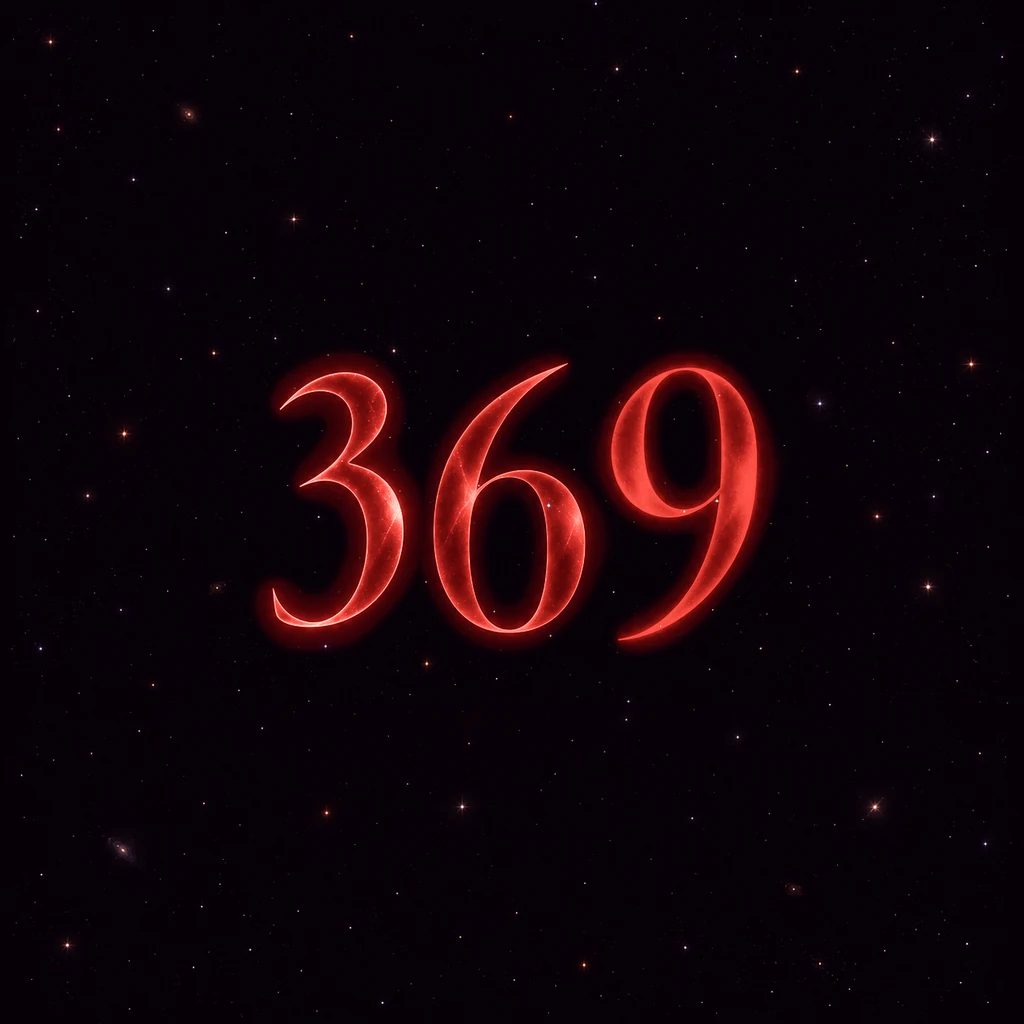
369 Hz is a tone named after a number, and it is not one of the nine modern Solfeggio tones. It sits in this collection because the idea behind it, the 3, 6, 9 pattern credited online to the inventor Nikola Tesla, is so often told about the Solfeggio numbers. The pitch sits in the middle of the voice range, a touch below the F sharp above middle C, with a warm, open quality.
Origin of the 3, 6, 9 idea
A line shared widely online runs: “If you only knew the magnificence of the 3, 6 and 9, then you would have a key to the universe.” It is credited to Nikola Tesla, yet nobody has traced it to anything he wrote or said. The fact-checking site Truth or Fiction found early versions in internet comments from around 2010, decades after his death in 1943, and concluded that the line cannot be credibly attributed to him.
What is documented is a habit. In his 1919 autobiography, Tesla wrote that he counted his steps, worked out the volume of soup plates and coffee cups, and needed repeated acts to come in numbers divisible by three. That is a personal habit he described, not a theory of the universe, and the passage says nothing about six, nine or sound.
The Solfeggio link
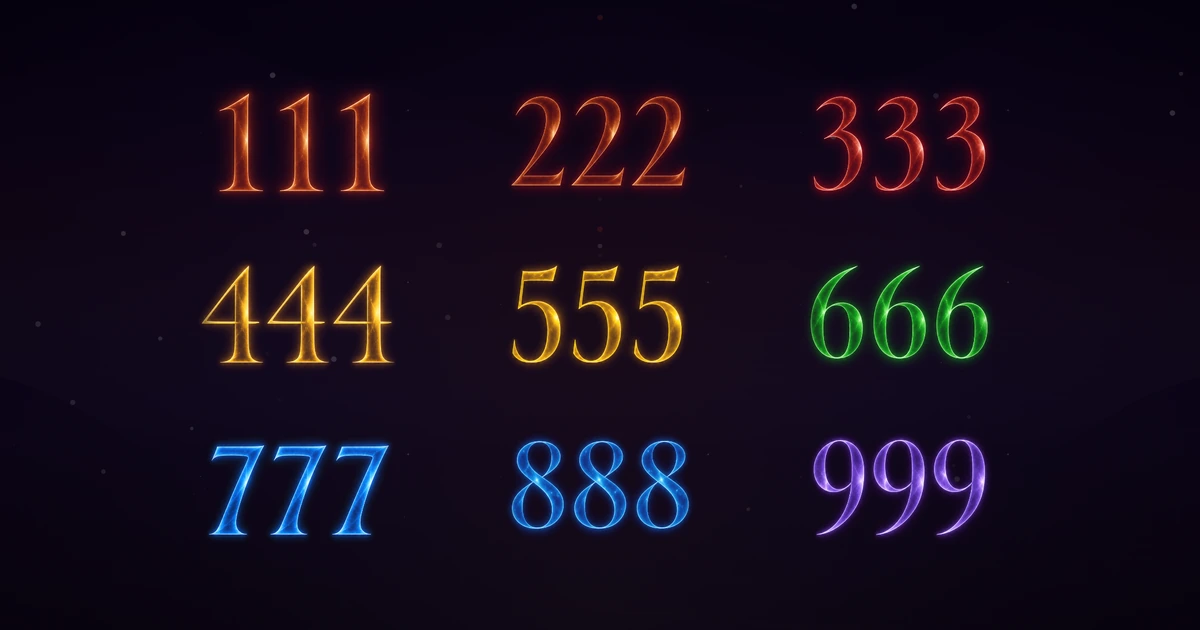
The 3, 6, 9 idea is often joined to the Solfeggio tones. Add the digits of any of the nine modern Solfeggio numbers, and keep adding until one digit is left, and you reach 3, 6 or 9: 174 gives 12 and then 3, 528 gives 15 and then 6, and 963 gives 18 and then 9. Online, that pattern is offered as a hidden design. The simpler reading is history: the nine numbers were arrived at in the 1990s by a numerological digit-reduction method, so a digit pattern tells you how they were chosen, not how they sound. 369 is simply those three digits in order.
369 Hz has no part in the medieval hymn behind the Solfeggio syllables, nor in the modern list of nine. It appears here, labelled plainly, so you can hear the number the story is about and compare it with the tones the story is told of.
How listeners use it
Listeners who come to 369 Hz are usually curious about the story. Common ways to use it include:
- A steady backdrop while you read about the 3, 6, 9 story, so you notice the sound rather than the claim.
- A companion to a popular journalling habit that writes an intention three times in the morning, six in the afternoon and nine at night.
- A comparison beside 396 Hz, 639 Hz and 963 Hz, the three Solfeggio numbers whose digits come to 9.
- A short, quiet pause between tasks.
None of these needs the tone to do anything; they are simply ways to give yourself a few unhurried minutes.
What the evidence says
Nothing in research singles out 369 Hz, and the quotation that made the number famous has no reliable source. Harmonance knows of no published study of 369 Hz as a listening tone. What research does explore is broader: reviews of trials find that music can lower stress, though those trials used whole pieces of music, not single tones. The United States National Center for Complementary and Integrative Health notes that evidence for music-based approaches is still developing. Enjoy the tone as a sound, hold the story lightly, and let your own experience be the guide.
How to listen
There is no correct way to do this, but a few gentle habits are worth keeping.
- Keep the volume low and comfortable; you should always be able to hear yourself think.
- Try five to fifteen minutes to begin with, somewhere you will not be interrupted.
- Play 396 Hz straight after it: the two are close in pitch, and the difference is easy to hear.
- If the tone ever feels tiring or simply not for you, stop. There is nothing to push through.
Listen with this
If this tone suits you, these references give you something to compare it with.
- 396 Hz: Release And Steadying
- 639 Hz: Connection And Communication
- 963 Hz: Stillness And Unity
- 432 Hz: Natural Harmony
Sources
NCCIH’s overview concerns music-based interventions. Our inference is that this evidence does not establish a clinical benefit from one isolated listening tone. Personal enjoyment is a listening response, not a clinical measurement. Read the music research and its limits.
- Truth or Fiction (2021), Nikola Tesla ‘369 Theory’
- Nikola Tesla (1919), his autobiography in Electrical Experimenter, on Wikisource
- NCCIH: Music and health, what you need to know
- de Witte and others (2020), music and stress: a meta-analysis of 104 trials (Health Psychology Review)
Did Tesla say the 3, 6, 9 quotation?
No reliable source shows that he did. The line spread online long after his death in 1943, and fact-checkers have not traced it to his writing. What he did describe, in his 1919 autobiography, was a personal habit of doing repeated acts in numbers divisible by three.
Is 369 Hz one of the Solfeggio frequencies?
No. The modern Solfeggio list has nine tones, from 174 Hz to 963 Hz, and 369 Hz is not one of them. It is often discussed beside them because their digits reduce to 3, 6 or 9.
What benefits are claimed for 369 Hz?
The associations described above are stories and listening themes, not measured outcomes. NCCIH’s overview concerns music-based interventions. Our inference is that this evidence does not establish a clinical benefit from this isolated 369 Hz tone. Personal enjoyment is a listening response, not a clinical measurement. Read the music research and its limits.
Try the pitch, then notice
Press Play above when you are ready. Start quietly, listen briefly, and use the player’s volume control. Compare the neighbouring tones without judging one as medically superior. Stop if the sound is uncomfortable. Signed-in Studio lets you choose layers and timers; public listening needs no account.